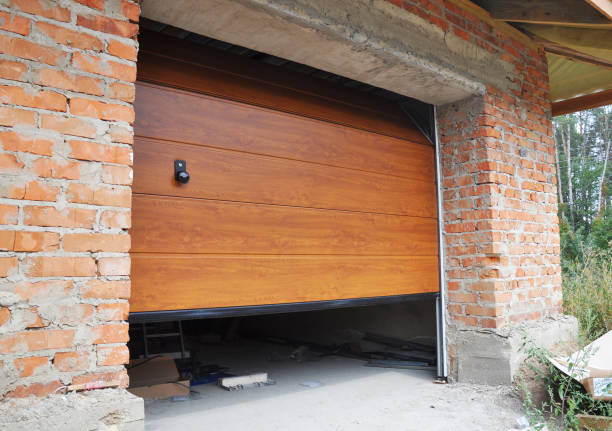
Smart Choices for Smoother Garage Door Projects and Long-Term Performance
Planning starts with a realistic scope. Assess what matters most: curb appeal, insulation value, opener compatibility, and safety features. Define must-haves versus nice-to-haves so you can phase decisions without derailing the schedule. Vendors differ in product lines, lead times, and field capacity. A clear brief narrows options, trims wasted visits, and aligns expectations before anyone touches a hinge or track.
Materials shape reliability and budget. Steel offers durability and broad style choices; wood brings warmth but needs attentive care; aluminum reduces weight; composites balance maintenance and appearance. Verify finish options, wind-load ratings, and panel construction. In practice, a vendor that can document spring sizing, track gauge, and reinforcement details reduces guesswork and helps prevent premature wear, especially for heavy carriage-style doors.
Workflow impacts both safety and outcomes. Sequence steps from measurement to disposal to final tuning. Pros who stage hardware, brackets, and fasteners by opening reduce rework and downtime. Meanwhile, confirm opener compatibility, headroom, and backroom before ordering. Small variances in jamb plumb or slab slope can ripple into noisy operation, so insist on accurate site checks and written notes with photos.
Quality control lives in the details. Inspect panel alignment, cable tension, and hinge orientation before sign-off. Validate that safety eyes are leveled, travel limits are dialed in, and force settings are conservative but functional. Beyond that, confirm weatherstripping contact and threshold fit to prevent light gaps. Well-run crews log torque readings on set-screws and document spring counts, aiding future service.
Budgeting benefits from transparency. Request line items for hardware kits, track upgrades, opener choices, and disposal. Often, the best value hides in mid-tier doors paired with high-cycle springs and ball-bearing rollers. Ask about bundled pricing for Garage door repair if an existing system needs remediation prior to a new opener. A modest allowance for contingencies buffers surprises like damaged jambs or out-of-square headers.
Durability stems from correct sizing and balanced loads. Calibrate spring selection to door weight and usage patterns; high-cycle options pay off for busy households. Then verify lift type—standard, low-headroom, or high-lift—against storage and ceiling obstructions. A supplier with varied stock can adapt quickly if site realities shift, preventing delays that cascade into rescheduling headaches.
Maintenance planning protects the investment. Document lubrication points, roller types, and inspection intervals. Homeowners should listen for changes in pitch, feel for binding, and schedule seasonal checks. However, avoid changing spring setups without training. Vendors offering simple handoff guides and labels on components make upkeep easier and reduce unnecessary callbacks over the door’s lifecycle.
Compliance and safety keep projects clean. Validate local wind codes, opener UL requirements, and photo-eye mounting heights. In many regions, bracing and proper anchoring are essential for storm resilience. Suppliers who provide load data, installation manuals, and clear warranty terms help you stay aligned with regulations, minimizing liability while ensuring doors track smoothly under stress.
Logistics deserve early attention. Sequence deliveries so panels arrive after site framing is stable and openings are measured post-trim. Stage disposal bins for tear-outs, and plan access for trucks without blocking driveways for extended periods. For Garage door installation, confirm power availability for openers and lighting, and buffer time for punch-list adjustments after the first operational test.
Vendor fit matters as much as product. Seek partners who can validate specs on-site, refine orders without drama, and maintain flexible inventory to match unique homes. When a supplier treats each property as distinct and keeps parts on hand for diverse styles, projects move from estimate to final handoff with fewer detours, quieter operation, and a smoother homeowner experience.